
Next Holy Year: 2027
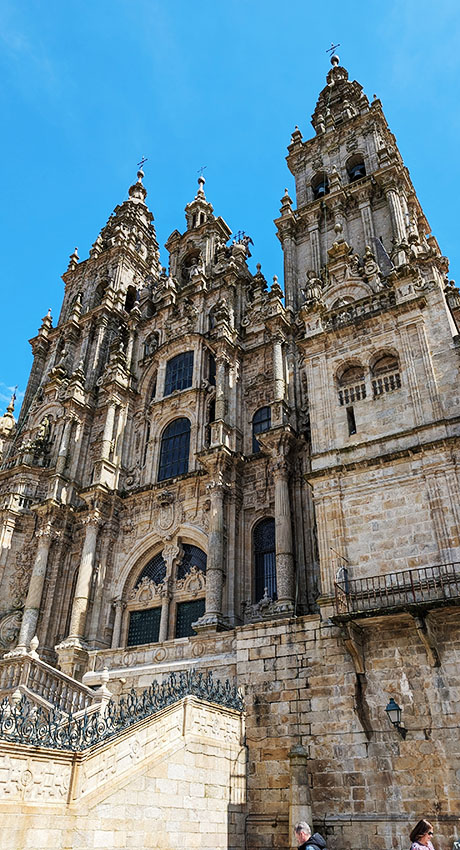
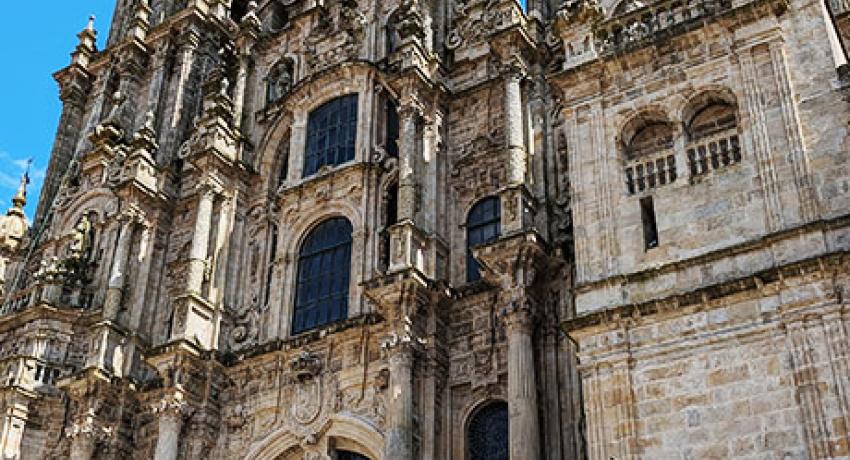
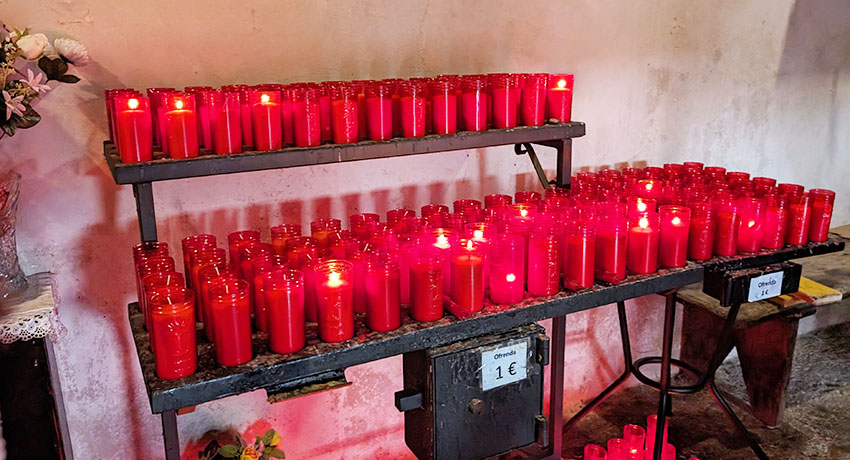
If you’re considering walking the Camino de Santiago, you may have heard that 2027 will be a Holy Year — also known as a Jacobean Year.
For many pilgrims, a Holy Year adds historical and spiritual significance to the journey. But it also raises practical questions:
- What is a Holy Year on the Camino?
- Will the Camino be crowded in 2027?
- Do Compostela rules change?
- Is 2027 a good year to walk?
So let's get started!
What Is a Holy Year?
A Holy Year (Año Santo Jacobeo) occurs whenever July 25th — the Feast of St. James — falls on a Sunday.
When this happens:
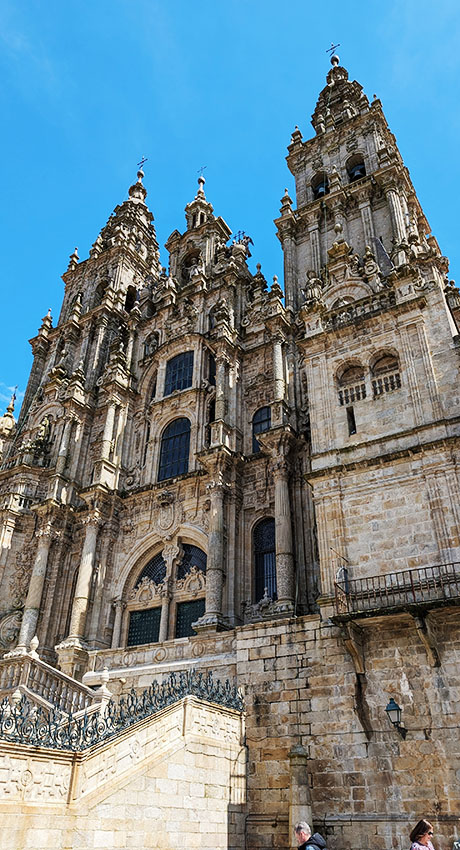
- The Holy Door (Puerta Santa) at the Cathedral of Santiago de Compostela opens on December 31st and remains open the whole year.
- Pilgrims may pass through the Holy Door as part of their pilgrimage.
During a Holy Year, the Catholic Church offers pilgrims the opportunity to receive the Jubilee indulgence (a special spiritual grace).
According to the Cathedral’s Holy Year guidance, to obtain the Jubilee it is necessary to:
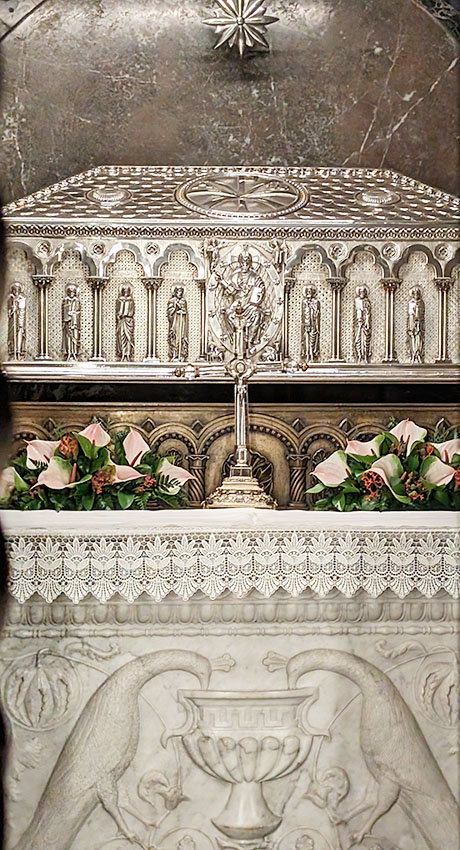
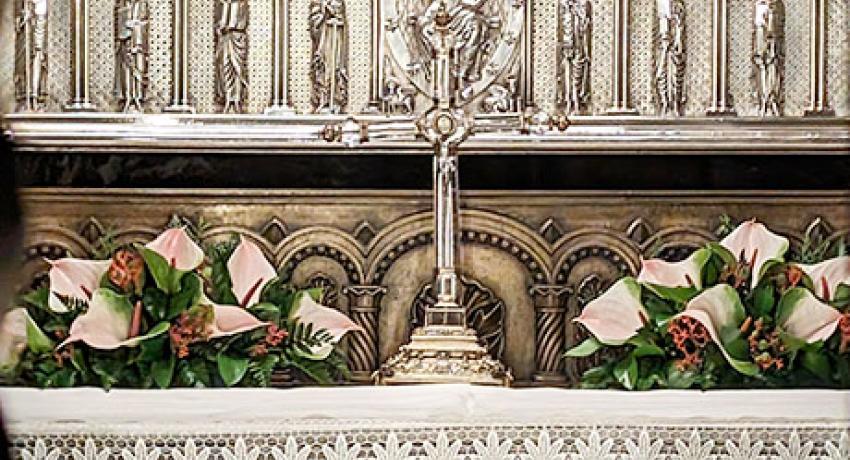
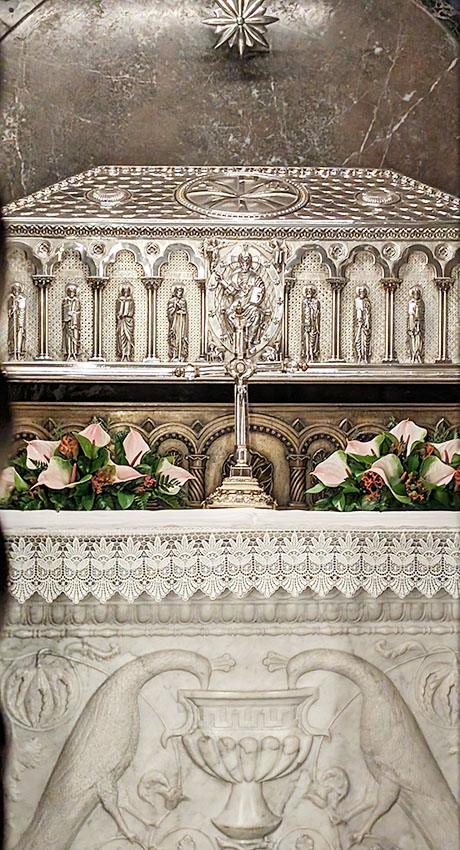
- Visit the Tomb of the Apostle in the Cathedral and say a prayer
- Receive the sacrament of Confession (in the Cathedral or elsewhere, within 15 days before or after)
- Receive Holy Communion
The Jubilee indulgence can also be applied to the deceased.
It’s also important to note that the Jubilee and the Compostela are not the same thing. They are not automatically linked: you can earn the Jubilee without walking the Camino, and you can obtain the Compostela without earning the Jubilee.
Holy Years follow a repeating 6, 5, 6, and 11-year cycle. The most recent Holy Year was 2021 (extended into 2022 due to the pandemic). The next will be 2027, and the following Holy Year will not occur until 2032. Because of that gap, many pilgrims see 2027 as a particularly meaningful opportunity.
Will the Camino Be More Crowded in 2027?
Yes — especially near Santiago. During a Holy Year on the Camino, more pilgrims travel from around the world to walk the route. You can expect:
- Higher demand for accommodations
- Increased foot traffic in the final 100 km
- Longer wait times at the Pilgrim’s Office
- A more international and celebratory atmosphere
Despite all these,
The Camino is well-equipped to handle pilgrims, and walking during a Holy Year feels energetic rather than overwhelming — if you plan thoughtfully.
Is 2027 a Good Year to Walk?
It depends on what kind of experience you’re looking for.
A Holy Year can feel:
- Historically meaningful
- Spiritually powerful
- Joyful and celebratory
For some pilgrims, walking during a Holy Year adds an extra layer of significance to the journey.
For others who prefer quieter trails, choosing less-traveled routes or avoiding the final 100 km may offer a more peaceful experience.
Compostela Requirements: What Has Changed?
In recent years, the rules for obtaining a Compostela have been clarified.
Pilgrims must now:
- Walk at least 100 continuous kilometers on an official Camino route
- Complete the final stage into Santiago
- Collect at least two stamps per day
- Declare a religious or spiritual motivation (others may receive a “Certificado de Distancia”)
Because of the 100 km requirement, the final stretch into Santiago — particularly from Sarria (Camino Francés) and Tui (Portuguese Camino) — tends to be the busiest.
This change may influence which route you choose in 2027, especially if you’re hoping for a quieter experience.
Should You Start Farther from Santiago?
During a Holy Year Camino, the final 100 km into Santiago will likely see the most congestion.
While starting in Sarria or Tui qualifies you for the Compostela, many pilgrims choose to begin farther out for:
- A more gradual physical transition
- Quieter early stages
- A deeper sense of journey
- Fewer crowds before the final approach
Starting earlier on the Camino Francés, Portuguese Camino, or even choosing alternative routes like the Camino Primitivo can shape a very different experience.
Your starting point matters — especially in 2027.
Is 2027 a Good Year to Walk the Camino?
For many pilgrims, yes.
Walking during a Holy Year can feel:
- Historically significant
- Spiritually meaningful
- Communal and celebratory
- Energized by global participation
For others who prefer solitude, choosing less-traveled sections or walking outside peak months (May–September) may offer more balance.
The Camino itself does not change in a Holy Year.
You still walk.
You still reflect.
You still arrive.
The Holy Year simply adds another layer of meaning to something that has been happening for over a thousand years.
When Should You Start Planning for 2027?
If you’re considering walking the Camino during the 2027 Holy Year, early planning is important.
Camino villages are small. Accommodations are limited. And demand will likely increase as awareness grows.
Booking early ensures:
- Better lodging options
- Preferred daily distances
- Smoother logistics
- A more relaxed planning experience
Thinking About Walking in the 2027 Holy Year?
If 2027 is calling to you, it’s not too early to begin planning your route.
Whether you’re considering the Camino Francés, the Portuguese Camino, or a quieter alternative like the Primitivo, your experience will depend greatly on where you begin and how you plan.
If you’d like help choosing the right Camino for a Holy Year walk, we are happy to talk through options with you.
Sometimes it’s about timing. And sometimes, it’s simply your time to go.
Buen Camino!